Skip to content
Insights

Industrial Boiler Efficiency: What the Numbers Mean and How to Compare Them

29 Oct 20263 min readWilford engineering team

Industrial Boiler Efficiency: What the Numbers Mean and How to Compare Them

In short

Boiler efficiency is not one number. A quotation may state combustion efficiency, thermal efficiency or fuel-to-steam efficiency, on the net or the gross calorific value, at full or part load. Compare like with like, and look at the flue gas temperature, the excess air and the load your plant really runs at — those decide the fuel bill.

On this page · 4 sections
  1. 01Three efficiencies that are often confused
  2. 02Where the heat goes
  3. 03What you can influence
  4. 04How to compare efficiency in quotations

01Three efficiencies that are often confused

  • Combustion efficiency — how completely the burner turns fuel into heat, judged from the flue gas (oxygen, carbon monoxide and temperature). It ignores the heat lost from the boiler body.
  • Thermal efficiency — how much of the released heat passes into the water, measured across the heating surfaces.
  • Fuel-to-steam efficiency — the energy in the steam divided by the energy in the fuel, including the losses from the boiler body. This is the figure that decides your fuel cost.

Check the calorific value basis too. A figure on the net (lower) calorific value is several points higher than the same boiler measured on the gross (higher) value, because the latent heat of the water vapour in the flue gas is not counted. Chinese and European data usually quote net values; North American data usually quote gross values.
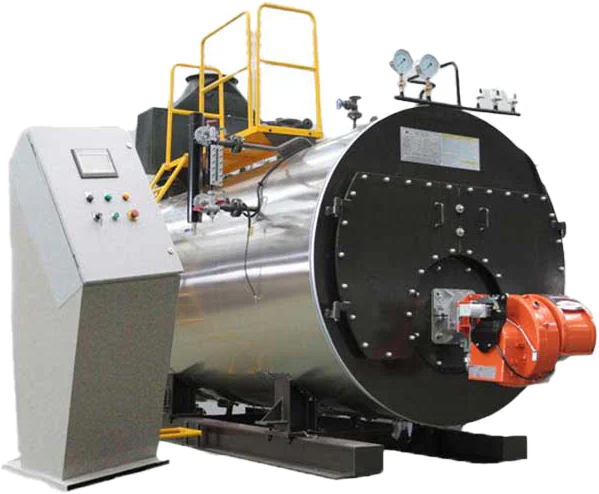
02Where the heat goes

  • Flue gas — the largest loss. It rises with the flue gas exit temperature and with the amount of excess air.
  • Unburned fuel — carbon monoxide in the flue gas, and unburned carbon in the ash on solid-fuel boilers.
  • Radiation and convection — heat lost from the boiler body; small at full load, larger in proportion at low load.
  • Blowdown — hot water drained to keep the dissolved solids in the boiler under control.

03What you can influence

  • Flue gas temperature. A common rule of thumb: every 20 °C lower flue gas temperature saves about 1 % of fuel. An economiser that pre-heats the feed water is the usual way to get there.
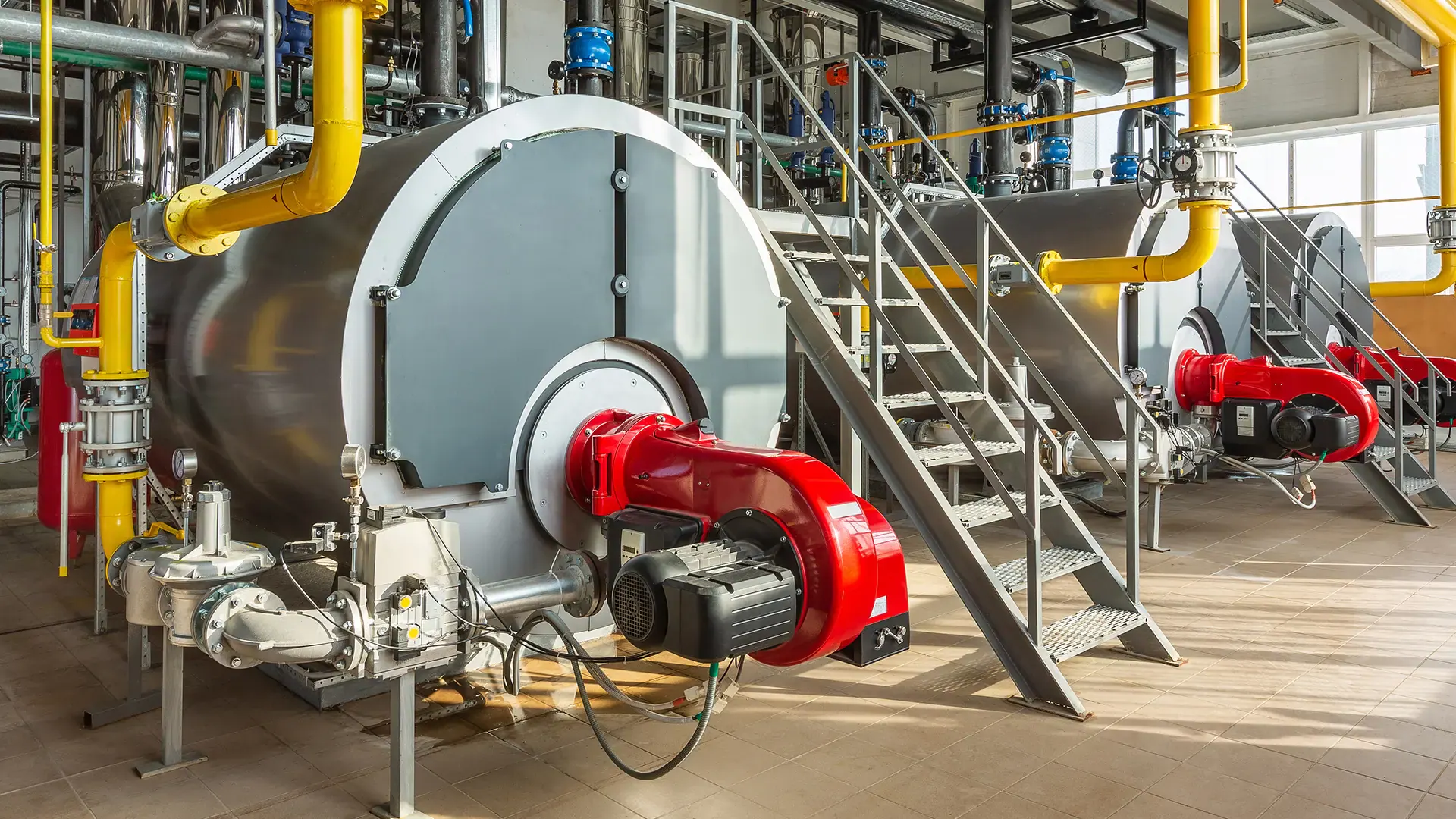
  • Excess air. Too much air carries heat up the chimney; too little leaves fuel unburned. Burner tuning, and oxygen trim on larger burners, keep it right across the load range.
  • Scale and soot. Scale on the water side and soot on the gas side both insulate the heating surface. Good water treatment and regular cleaning keep the boiler at its rated efficiency.
  • Condensate and blowdown. Returning hot condensate and controlling blowdown both reduce the heat needed per tonne of steam.
  • Load matching. A boiler that is far too large cycles on and off and loses heat in every purge. Several smaller units, or a burner that modulates, follow the load better.

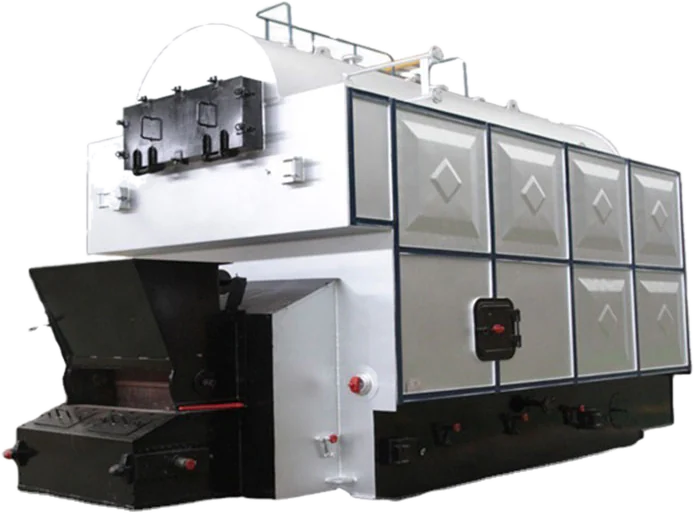
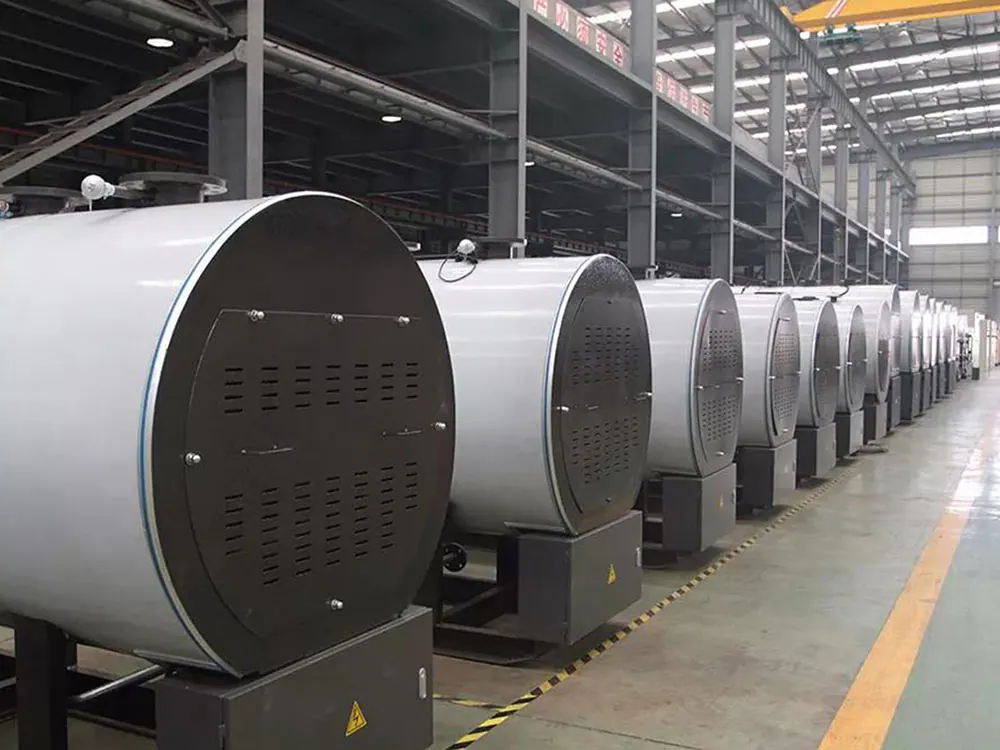
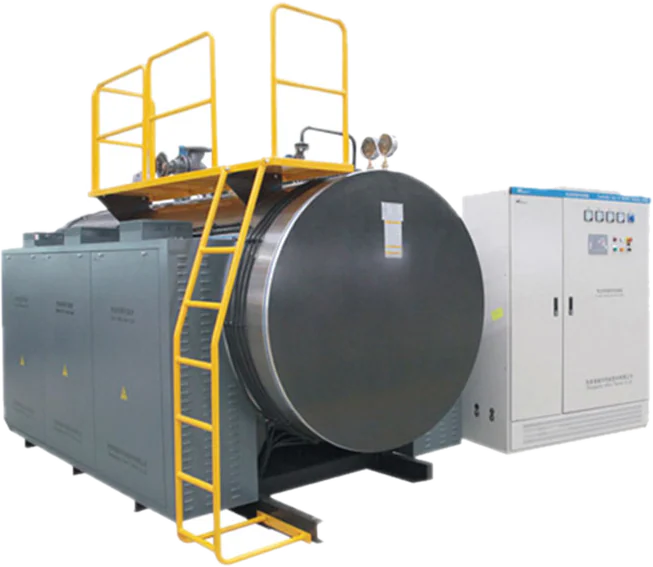
The fuel matters as well. In biomass boilers the moisture of the wood chips or pellets has a direct effect: every bit of water in the fuel has to be evaporated in the furnace. In an electric steam boiler almost all of the electricity becomes heat in the water and there is no flue gas loss — the running cost then depends on the electricity price rather than on combustion.

04How to compare efficiency in quotations

  • Which efficiency is stated — combustion, thermal or fuel-to-steam?
  • Net or gross calorific value?
  • At which load — 100 % only, or also at 50 % and 30 %?
  • With or without an economiser, and at which feed water temperature?
  • What flue gas exit temperature is guaranteed?
  • Which test standard applies — for example ASME PTC 4, EN 12953-11 or GB/T 10180?

Answers to these questions turn two efficiency figures into numbers you can compare. When you ask Wilford for a quotation, tell us your fuel, its price and your typical load, and we state the basis of every figure in the offer. The WNS fire tube steam boiler parameter table, for example, lists the fuel consumption of every size.

Common questions

What efficiency should I expect from an industrial gas boiler?
It depends on the design, the economiser, the load and the calorific value basis. Ask each supplier for the fuel-to-steam efficiency on the same basis and load, and for the guaranteed flue gas temperature, then compare.
Does an economiser always pay off?
It pays off when the boiler runs many hours at high load and the flue gas leaves hot. With sulphur-bearing oils the flue gas must stay above its acid dew point, which limits how far it can be cooled.
Are electric boilers 100 % efficient?
Almost all the electricity becomes heat in the water and there is no flue gas loss; only small losses from the boiler body and blowdown remain. Whether that is cheaper depends on the price of electricity against fuel.

Quotation

Discuss a similar project

Tell us the output, working pressure, fuel and application. An engineer replies with a model selection and a quotation.

Optional · PDF, image, CAD, Office or ZIP · up to 3 files, 8 MB each

We use your details only to answer your enquiry. The form is protected by Cloudflare Turnstile.